
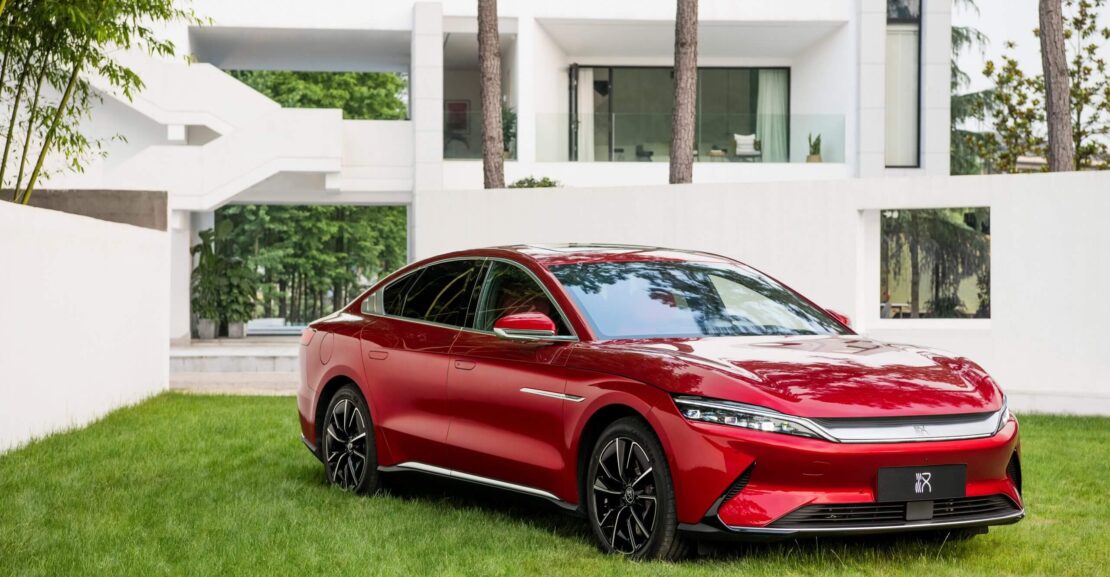
The UAE’s auto landscape is evolving rapidly, with Chinese car brands becoming increasingly common on the roads. Their sleek designs, modern technology, and competitive pricing are attracting a growing number of motorists. However, despite their rising popularity, insuring these vehicles tends to cost significantly more than insuring Japanese or Korean models.
On average, UAE drivers are paying up to 43% more in insurance premiums for Chinese cars. The higher cost stems from a variety of factors, including perceived risks, repair expenses, and uncertainty surrounding how quickly vehicles can be repaired after a claim.
Insurers explain that comprehensive coverage for a Chinese sedan or crossover typically ranges between AED 2,800 and AED 3,000, compared to around AED 2,100 for Japanese and Korean vehicles. This difference is largely attributed to limited historical claims data, challenges in sourcing parts, and a shortage of specialized repair centers. As a result, repair timelines are often longer, which pushes up insurance costs due to extended off-road times and reliance on dealer networks.
Yet, the tide may be turning. As the after-sales service ecosystem continues to develop, with more spare parts becoming readily available and more workshops gaining experience with Chinese brands, the insurance gap is expected to narrow over time.
Interest in Chinese cars in the UAE has surged in recent years. What was once a marginal portion of the market has grown significantly, with Chinese models now accounting for over 10% of all car insurance enquiries—up from just 2% in early 2023. This shift is driven by a combination of improved design, enhanced technology features, solid warranty coverage, and most importantly, affordability without compromising reliability.
A major turning point occurred in April 2024, when record rainfall and subsequent flooding caused severe damage to thousands of vehicles across Dubai, Sharjah, and the Northern Emirates. With many residents needing to quickly and economically replace their vehicles, Chinese brands emerged as a practical solution due to their availability and attractive price points. This catalyzed a noticeable spike in interest during the second and third quarters of 2024.
Several Chinese manufacturers have since cemented their place in the UAE market. Brands like MG, Jetour, Geely, Changan, and others have seen robust growth, especially in the SUV and crossover segments. While some buyers initially saw these vehicles as short-term, cost-conscious decisions, ongoing customer feedback reveals rising satisfaction and loyalty. Buyers are especially impressed with fuel efficiency, high-tech features, and competitive warranty packages.
In response to the growth of Chinese brands, UAE insurers are rapidly adapting. They’re developing brand-specific risk assessments, collaborating with authorized service providers, and offering more nuanced pricing tiers. As more data becomes available, insurance policies are becoming more tailored, resulting in fairer premiums and broader coverage options.
While the journey of Chinese vehicles in the UAE market is still unfolding, the trend is clear: they are here to stay—and both consumers and insurers are evolving alongside them.