
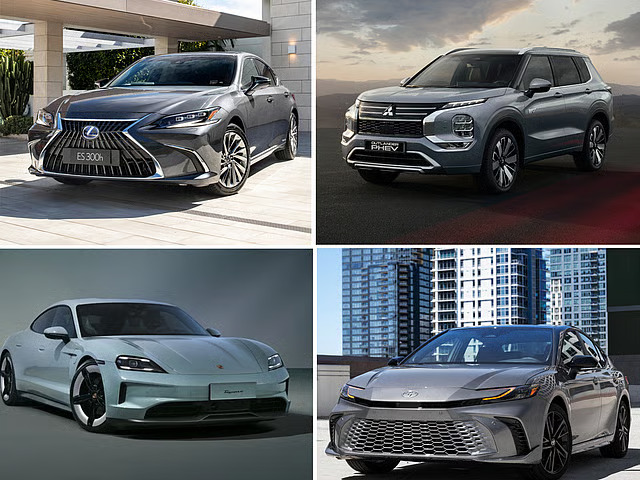
When it comes to buying a car in the UAE, the decision isn’t just about the brand or the style anymore. With petrol, hybrid, and fully electric vehicles (EVs) all becoming more widely available, many drivers are wondering which option makes the most sense. Each has its own advantages and trade-offs, and your decision will ultimately depend on your lifestyle, driving habits, and long-term priorities.
Petrol Cars: The Traditional Choice
Petrol-powered cars remain the most popular option in the UAE and for good reason. They are usually more affordable upfront, offer a wide range of models to choose from, and are easy to refuel anywhere thanks to the country’s extensive network of petrol stations.
Advantages:
- Lower purchase price compared to hybrids and EVs
- Widespread availability of fuel
- Simple maintenance with readily available spare parts
Things to consider:
- Petrol prices fluctuate, which can impact running costs
- Higher CO₂ emissions compared to hybrid and EV options
- Long-term costs may be higher if you drive a lot
Petrol cars are a good choice if you value affordability, prefer a traditional driving experience, or don’t want to worry about charging infrastructure.
Hybrid Cars: The Best of Both Worlds
Hybrids combine a petrol engine with an electric motor, giving you improved fuel efficiency and lower emissions without fully committing to an EV. In the UAE, hybrids are becoming more common, especially from brands like Toyota, Lexus, and Honda.
Advantages:
- Better fuel economy compared to petrol cars
- Lower emissions, making them environmentally friendlier
- No need to worry about charging stations, since they self-charge while driving
Things to consider:
- Higher purchase price compared to petrol cars
- Maintenance can be slightly more expensive due to the dual system
- Less fuel savings compared to a fully electric vehicle
Hybrids are perfect for drivers who want to save on fuel costs, reduce their carbon footprint, and enjoy a smooth, quiet ride without range anxiety.
Electric Vehicles (EVs): The Future of Driving
EV adoption in the UAE is growing fast, supported by government initiatives, more charging stations, and incentives like free parking in some emirates. Tesla, BYD, and Polestar are among the brands leading the charge, while major automakers are also expanding their EV offerings.
Advantages:
- Zero tailpipe emissions – environmentally friendly
- Lower running costs as electricity is cheaper than petrol
- Smooth, quiet driving experience with instant torque
Things to consider:
- Higher upfront cost, though prices are slowly coming down
- Limited (but growing) charging infrastructure, especially outside big cities
- Charging time can be inconvenient if you don’t have access to home charging
EVs are ideal if you live in Dubai or Abu Dhabi where charging stations are more accessible, have a predictable daily commute, and want to future-proof your investment.
Key Takeaways
- Choose Petrol if you want an affordable car, minimal hassle, and quick refueling anywhere.
- Go Hybrid if you want to save on fuel and reduce emissions without worrying about charging.
- Opt for an EV if you’re ready for the future of mobility, have access to charging, and want the lowest running costs.
Ultimately, the right choice depends on your driving patterns, budget, and long-term priorities. With the UAE’s infrastructure improving and government incentives encouraging eco-friendly transport, hybrids and EVs are becoming more practical than ever, but petrol cars still remain a reliable and cost-effective option.