
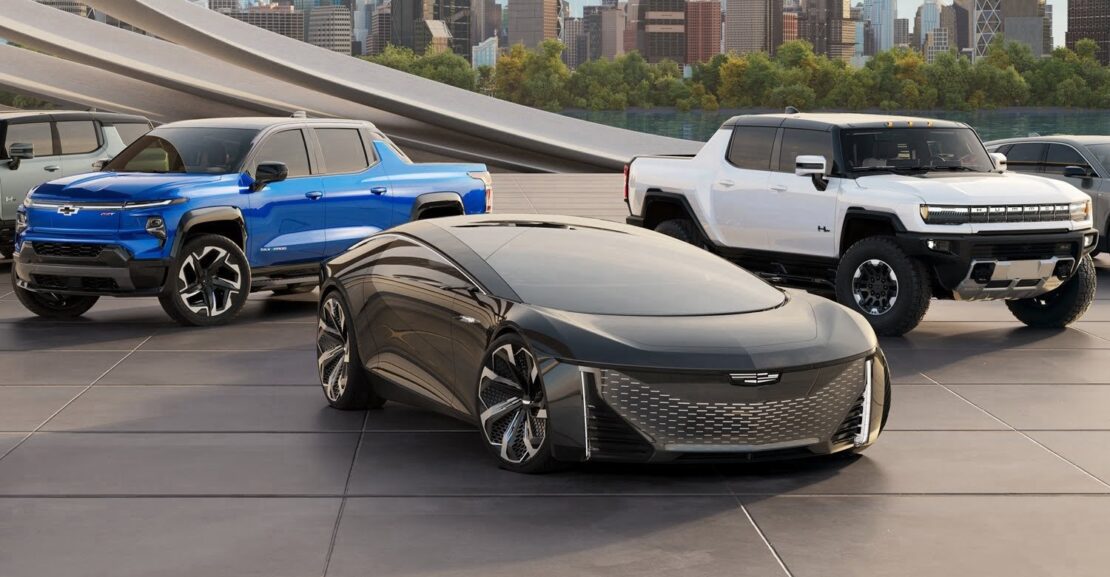
General Motors (GM) has delivered 144,668 electric vehicles (EVs) so far in 2025, marking a staggering 103% increase compared with its total EV deliveries for all of 2024. And critically, 2025 isn’t over yet, meaning that number is still climbing as the year closes.
This performance highlights how far the century old Detroit automaker has come in electrification and signals that the EV landscape is shifting from a Tesla dominated battlefield to a more competitive, multi brand arena.
Why This Growth Matters
1. Breaking Through Legacy Barriers
For years, legacy automakers like GM have pledged big EV goals, only to be outpaced by Tesla’s early and singular focus on electrics. But 2025 is shaping up as a breakout year for GM
The rise is driven by strong demand for models like the Chevrolet Equinox EV, Cadillac LYRIQ, and GMC Sierra EV, vehicles that appeal to mainstream buyers
Last quarter alone (Q3) saw GM deliver 66,501 EVs, underscoring how quickly momentum is building
Legacy builders once struggled with expensive EV platforms and slow rollouts. Today, that gap is narrowing fast
Tesla vs. GM: Deliveries and Market Pressure
Tesla remains the EV juggernaut globally, delivering hundreds of thousands of vehicles per quarter in 2025. For example
In Q3 2025, Tesla reported approximately 497,000 deliveries, a record for the company
Earlier in the year, Tesla delivered 336,681 vehicles in Q1 2025 alone
These figures dwarf GM’s EV totals, but context matters
Tesla Still Leads… But Faces Headwinds
While Tesla’s volumes remain high, recent trends show slowing deliveries and increased competitive pressure
Analyst concern signals that Tesla’s growth narrative isn’t as certain as before
Broader market data suggests global EV demand and competition are reshaping industry dynamics
In the U.S., Tesla also saw sales decline sharply in November 2025, marking its lowest level in nearly four years
This isn’t just about totals, it’s about market share, momentum, and consumer choice
GM’s Competitive Edge
1. Broader EV Portfolio
Unlike Tesla’s focus on a smaller set of models (Model 3, Model Y, and newer launches like Cybertruck), GM’s strategy is diversified across brands
Chevrolet, Cadillac, GMC, and Buick are all contributing EVs, meaning buyers can pick from mainstream to luxury segments
2. Strong U.S. Growth
GM’s surge reflects strong domestic demand despite broader challenges in the U.S. market. Increased supply and aggressive pricing have made GM EVs more accessible to everyday buyers
3. Legacy Muscle Meets EV Transition
GM uses its decades of manufacturing and dealer networks to scale EV output quickly, a structural advantage that’s now paying off
The Broader EV Market Beyond Tesla and GM
While Tesla and GM headline much of the conversation, the EV market in 2025 is diversifying rapidly
Chinese manufacturers like BYD, Geely, and XPeng are expanding globally, increasing competition on price and scale
Global EV sales are up in many regions, even as North America struggles with declining volumes due to policy shifts
This competitive landscape means the future won’t be a two player race, instead, it will be a multi front battle between legacy giants, Tesla, and rising international brands
What This Means for the EV Industry
1. Legitimacy for Legacy Automakers
GM’s near doubling of EV deliveries proves that legacy automakers can transition successfully, not just talk about electrification
2. Competitive Pressure on Tesla
Tesla is no longer the only name in EV sales headlines. Strong growth from GM and other rivals adds pressure on Tesla to innovate and maintain market share
3. More Choices for Buyers
Consumers now enjoy wider EV choices, from affordable crossovers and SUVs to luxury and high performance models, across multiple brands
A Milestone
General Motors delivering 144,668 EVs so far in 2025, a 103% increase over its 2024 total, is a milestone that underscores both its transformation and the broader evolution of the EV market. While Tesla remains a global leader with massive quarterly deliveries, GM’s performance signals that Detroit’s giants are closing the gap and shaping a future with more competition, choice, and momentum in electric mobility.