
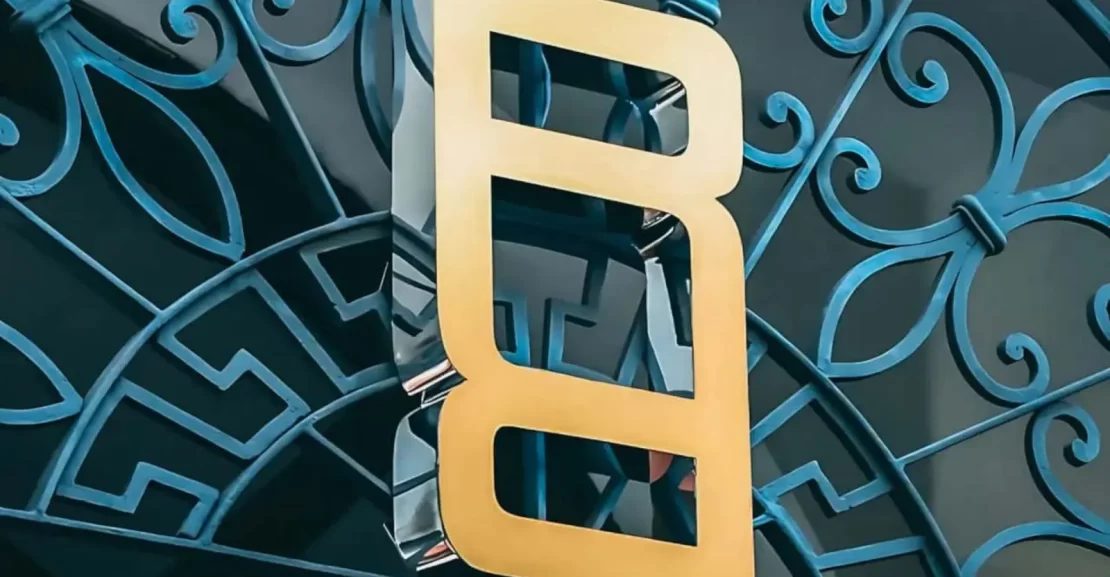
Range Rover, the luxury SUV titan under Jaguar Land Rover (JLR), has officially rolled out a new logo — and the internet has plenty to say. Known for its rugged elegance and British prestige, Range Rover’s branding has remained iconic for decades. But with JLR’s shift toward a multi-brand strategy under the new “House of Brands” vision, each division — Jaguar, Land Rover, Range Rover, and Defender — is now stepping into its own spotlight. And Range Rover’s clean, minimal rebrand is the latest to take the stage.
A Sleek Redesign for the Modern Era
The new logo keeps the familiar oval shape but embraces a flatter, more digital-friendly design. The chrome detailing is gone, replaced with a monochrome, minimalist aesthetic. It’s bold in its simplicity — a stark contrast to the ornate emblems of the past.
This move aligns with a broader luxury design trend: think less clutter, more clarity. Range Rover is signaling that it’s not just a high-end SUV — it’s a statement of modern luxury and refinement.
But this isn’t just about Range Rover.

The Jaguar Controversy: A Lesson in Rebranding Missteps?
Just months before this, JLR’s other major brand — Jaguar — revealed its new all-black, text-only wordmark, dropping its iconic leaping feline. The new logo, paired with a cryptic “Reimagine” campaign, was meant to usher Jaguar into a new era of electrification and innovation.
Instead, it triggered a firestorm of backlash.
Designers and fans alike criticized the new logo for lacking soul, identity, and heritage. The absence of the Jaguar cat was seen by many as a symbol of erasing history rather than building on it. Social media responses were brutal:
- “Jaguar just turned itself into a generic tech company.”
- “Looks like a placeholder font, not a luxury car brand.”
- “Even the cat left the building.”
The marketing campaign was equally slammed for being overly abstract and emotionally disconnected from the cars people love. While some appreciated the effort to modernize, many felt Jaguar had strayed too far from what made it special.
Range Rover’s Turn: Playing It Safer?
Perhaps learning from Jaguar’s stumble, Range Rover’s new logo feels more cautious. It retains familiar visual elements while refining the brand for today’s aesthetic. It’s minimal without being unrecognizable.
Reactions have still been mixed — but far more balanced.
Designers generally praise the update:
“It’s clean, premium, and very on-trend. Feels like a natural evolution.”
Longtime fans, however, are torn:
“I appreciate the elegance, but it’s lost a bit of its rugged character,” said one enthusiast on a car forum.
And then there’s the inevitable Twitter sarcasm:
- “Range Rover now looks like it also sells oat milk and linen shirts.”
- “Your Uber just got way more Helvetica.”
Bigger Picture: From Utility to Luxury Lifestyle
This rebrand isn’t happening in isolation. It reflects a strategic transformation. Range Rover — along with Jaguar and others under JLR — is shifting from traditional automaking toward positioning as a global luxury brand that competes with the likes of Mercedes-Maybach and even fashion houses.
A spokesperson for JLR said:
“This new identity captures the timeless elegance of Range Rover while modernizing its expression for a new generation.”
Yes or No?
Rebranding an icon is never easy — and Range Rover seems to have struck a better balance than its sister brand Jaguar. While the internet’s reactions range from admiration to satire, the move clearly signals a future-facing strategy.
One thing is certain: in today’s world, a logo is no longer just a badge on a hood. It’s a reflection of brand values, digital adaptability, and customer emotion. Time will tell if this new look resonates as deeply as the vehicles themselves.