
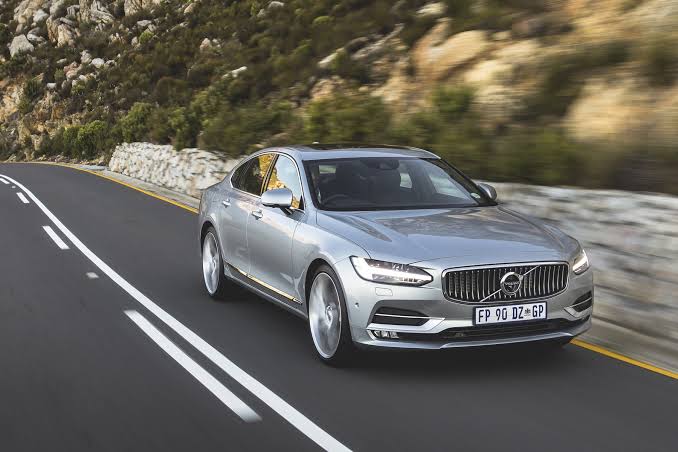
When buying a car, performance, technology, design, and comfort often get most of the attention. But when it comes down to what matters most, safety should always be near the top of the list.
Modern vehicles are safer than ever before. Advanced driver assistance systems, stronger vehicle structures, intelligent braking, and improved airbag technology have transformed the way cars protect their occupants. Today, some of the safest cars in the world are capable of helping drivers avoid accidents altogether, not just protecting them when a collision happens.
What Makes a Car Safe?
Car safety can generally be divided into two main categories: active safety and passive safety.
Active safety features are designed to prevent an accident before it happens. These may include:
• Automatic emergency braking
• Lane keeping assistance
• Blind spot monitoring
• Adaptive cruise control
• Driver attention monitoring
• Forward collision warnings
• Electronic stability control
• Parking and collision avoidance systems
Passive safety features, on the other hand, are designed to protect passengers during an accident. These include:
• Multiple airbags
• Reinforced passenger compartments
• Crumple zones
• Seatbelt pretensioners
• Child safety systems
• Side impact protection
The safest vehicles combine both. They help drivers avoid danger while also providing maximum protection if a collision cannot be avoided.
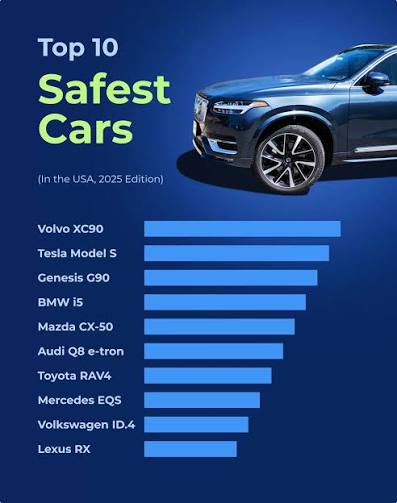
Volvo: A Name Closely Associated With Safety
For decades, Volvo has built its reputation around one central idea: making cars safer.
Volvo Cars has introduced and developed many important safety innovations throughout automotive history, including the three point seatbelt, which became one of the most important life saving inventions in the automotive industry.
Modern Volvo models continue this philosophy with advanced driver assistance technologies, strong safety structures, and systems designed to detect other vehicles, pedestrians, cyclists, and potential hazards.
Models such as the Volvo XC90, XC60, EX90, and other vehicles in the brand’s lineup are frequently associated with high levels of occupant protection and advanced safety technology.
Mercedes-Benz: Combining Luxury With Advanced Protection
Luxury and safety often go hand in hand, and Mercedes-Benz has long been one of the leading names in automotive safety innovation.
Modern Mercedes-Benz vehicles offer a wide range of intelligent systems that can assist the driver in everyday situations. Depending on the model and available equipment, these can include emergency braking, active steering assistance, blind spot detection, adaptive cruise control, and advanced parking technologies.
The Mercedes-Benz S-Class, in particular, has historically been known for introducing new safety technologies that eventually become more common across the wider automotive industry.
Tesla and the Rise of Digital Safety
Tesla has taken a technology focused approach to vehicle safety.
Its vehicles are designed with large crumple zones, a low center of gravity, and advanced camera and sensor systems that support driver assistance features. The absence of a traditional combustion engine also allows for different structural designs, particularly at the front of electric vehicles.
Tesla’s Model S, Model 3, Model X, and Model Y have all contributed to the growing conversation around how software, cameras, sensors, and automated safety systems can play a larger role in preventing accidents.
However, it is important to remember that even the most advanced driver assistance system does not replace an attentive and responsible driver.
BMW and Audi: Safety Meets Performance
Performance vehicles are no longer just about speed. Modern manufacturers such as BMW and Audi have invested heavily in safety and driver assistance technology.
Their modern vehicles can offer systems such as collision warnings, automatic braking, lane departure protection, adaptive cruise control, parking assistance, and advanced stability systems.
Larger luxury models and SUVs often include particularly advanced safety packages, helping protect occupants while also making long distance driving and city traffic less demanding.
Electric Cars Are Changing Vehicle Safety
The rise of electric vehicles has also changed the way cars are designed.
Because EVs do not require a traditional engine in the front, manufacturers have greater flexibility when designing crumple zones and impact protection. The large battery pack is usually positioned low in the vehicle, which can lower the center of gravity and potentially improve stability.
However, electric vehicle safety is about more than just structure. Battery protection, thermal management, emergency response systems, and software are now becoming important parts of overall vehicle safety.
As electric vehicles continue to develop, safety technology will likely become even more intelligent and connected.
Safety Ratings Matter
One of the best ways to evaluate a vehicle’s safety is to look at independent crash testing and safety assessments.
Organizations such as Euro NCAP and the IIHS evaluate vehicles based on factors including crash protection, pedestrian safety, child occupant protection, and the effectiveness of advanced safety systems.
A high safety rating can provide valuable information, but buyers should always look beyond a single score. Safety ratings can vary depending on the exact model, year, market, and equipment level.
A vehicle sold with optional advanced safety technology may not offer the same protection if those features are not included in the version you are buying.
So, What Is the Safest Car in the World?
There is no single answer that remains true forever.
Safety ratings change as new vehicles are released, testing methods evolve, and manufacturers introduce new technology. The safest car for one driver may also not be the safest choice for another.
A family with young children may prioritize crash protection and rear seat safety. Someone who drives long distances may value driver assistance and fatigue monitoring. A city driver may benefit more from automatic emergency braking, pedestrian detection, and parking assistance.
The best approach is to look for a vehicle that combines:
Excellent crash test performance
Strong structural protection
Modern active safety systems
Reliable braking and stability technology
Advanced driver assistance features
A strong reputation for safety
The Future of Car Safety
The future of automotive safety is likely to become increasingly intelligent.
Cars are already capable of detecting potential collisions, applying the brakes automatically, monitoring blind spots, and helping drivers stay in their lanes. In the future, vehicles may communicate more effectively with other cars, roads, traffic systems, and emergency services.
Artificial intelligence, improved sensors, vehicle to vehicle communication, and more advanced automation could help reduce human error, which remains one of the biggest causes of road accidents.
The safest cars of the future may not simply be the ones that survive accidents best. They may be the ones that are increasingly capable of helping prevent accidents from happening in the first place.
When choosing your next vehicle, safety should never be treated as an optional extra. The right combination of intelligent technology, strong engineering, and proven crash protection can make a significant difference when it matters most.