
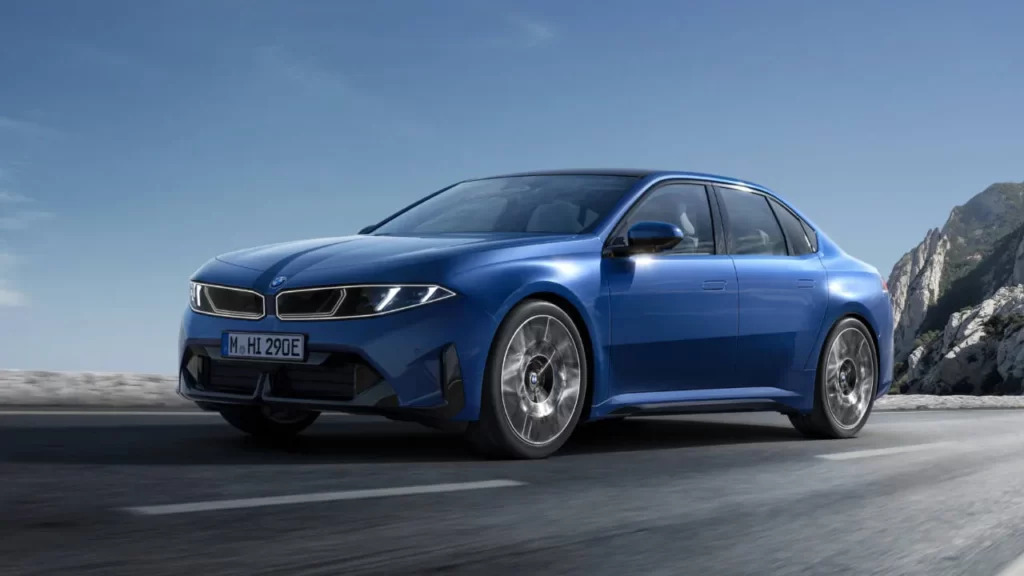
The European automotive market showed strong signs of recovery in June, with new car sales increasing by 13% compared to the same period last year. The growth was driven by improving consumer confidence, stronger supply chains, and a significant rise in demand for electric vehicles (EVs), which recorded an impressive 52% increase in sales.
The latest figures highlight a major shift in Europe’s automotive landscape, as buyers continue moving toward more sustainable mobility solutions while manufacturers expand their electric vehicle offerings.
A Strong Month for the European Auto Market
After facing years of challenges, including semiconductor shortages, rising production costs, and economic uncertainty, Europe’s car industry is gaining momentum. The 13% increase in June registrations reflects a healthier market environment and renewed consumer interest.
Several factors contributed to this growth, including:
- Improved vehicle availability from manufacturers
- Increased competition among car brands
- More attractive financing options
- Government incentives supporting cleaner vehicles in some markets
- Growing consumer awareness of electric mobility
The recovery is particularly important for European automakers, who have been investing heavily in new technologies and adapting their strategies to meet changing customer preferences.
Electric Vehicle Sales Surge by 52%
The biggest story behind June’s growth was the continued acceleration of electric vehicle adoption. EV sales increased by 52% year-on-year, showing that European consumers are becoming increasingly comfortable with battery-powered vehicles.
This growth was supported by:
- More affordable EV models entering the market
- Expanding charging infrastructure
- Longer driving ranges from newer models
- Increased availability of electric SUVs and family vehicles
- Stricter emissions regulations pushing manufacturers toward electrification
Electric vehicles are no longer limited to premium buyers. A wider range of compact cars, crossovers, and commercial vehicles are now available, making EV ownership accessible to a larger audience.
Hybrid Vehicles Continue to Play a Key Role
While fully electric vehicles are growing rapidly, hybrid vehicles remain an important part of Europe’s transition toward electrification. Many consumers are choosing hybrids as a middle ground, offering improved fuel efficiency without requiring a complete switch to electric charging.
Plug-in hybrids, in particular, continue attracting buyers who want lower emissions while maintaining flexibility for longer journeys.
European Automakers Face Increasing Competition
The rapid growth of EV sales is reshaping competition within the automotive industry. Traditional European manufacturers are investing billions into electric platforms and battery technology to compete with both established global brands and fast-growing Chinese EV manufacturers.
Companies are focusing on:
- Developing more affordable electric models
- Improving battery performance
- Expanding software and connected vehicle features
- Reducing production costs
The race for leadership in electric mobility is becoming one of the defining challenges for the next decade of the automotive sector.
What This Means for the Future of Mobility
June’s results suggest that Europe’s transition toward electric transportation is continuing at a faster pace than many expected. As technology improves and prices become more competitive, EV adoption is likely to keep increasing across major European markets.
The automotive industry is entering a new era where success will depend not only on traditional vehicle manufacturing but also on innovation, sustainability, digital technology, and the ability to meet evolving customer expectations.
With electric vehicle sales rising by more than half in just one year, Europe’s automotive market is sending a clear message: the future of driving is becoming increasingly electric.