
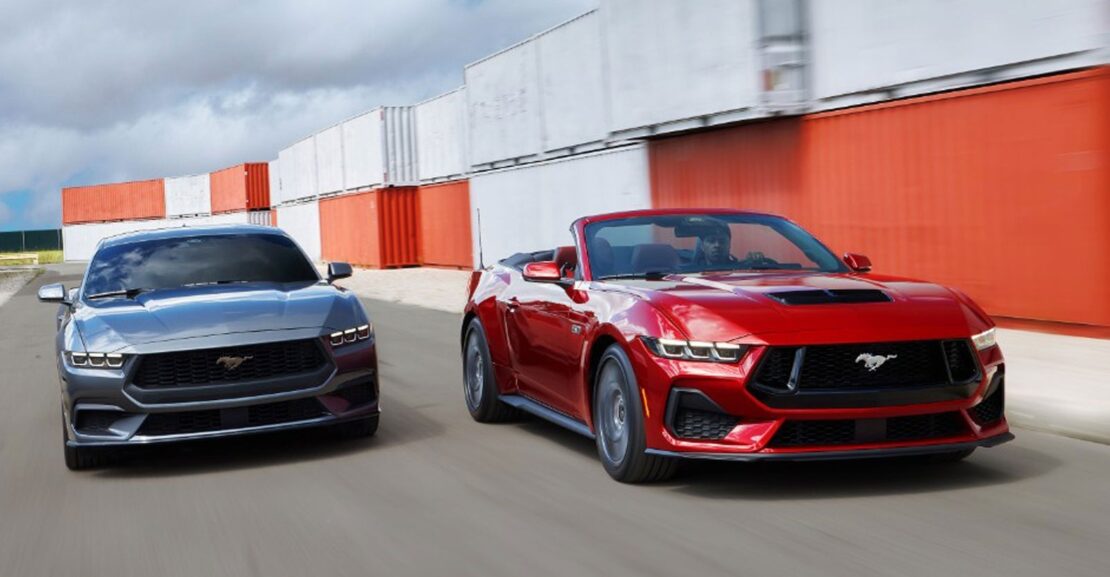
For years, the automotive industry seemed determined to write the obituary of the V8 engine. Stricter emissions regulations, rising fuel prices, and the rapid shift toward electric vehicles (EVs) led many manufacturers to replace large-displacement V8s with smaller turbocharged engines or fully electric powertrains. Yet, against all expectations, the V8 is making an unexpected comeback.
From iconic muscle cars to luxury SUVs and high-performance trucks, manufacturers are once again investing in V8-powered models. But why is an engine architecture many considered obsolete suddenly finding new life?
Consumer Demand Hasn’t Disappeared
Despite the industry’s push toward electrification, there’s still a strong market for V8-powered vehicles. Enthusiasts continue to value the unmistakable rumble, effortless power delivery, and emotional connection that only a naturally aspirated or supercharged V8 can provide.
For many buyers, driving isn’t just about getting from one place to another—it’s about the experience. A V8 delivers a character that many smaller turbocharged engines simply can’t replicate.
Performance Still Matters
While electric vehicles offer impressive acceleration, V8 engines remain the benchmark for sustained performance, towing capability, and track driving. High-performance pickups, sports cars, and luxury SUVs often require the durability and consistent power that a V8 provides.
Manufacturers have recognized that performance-oriented customers are willing to pay a premium for engines that deliver both excitement and reliability.
Technology Has Made V8s Smarter
Today’s V8 engines are far more efficient than those of a decade ago. Advances such as:
- Cylinder deactivation
- Direct fuel injection
- Variable valve timing
- Mild-hybrid assistance
- Improved turbocharging
have significantly reduced fuel consumption while maintaining impressive horsepower and torque figures.
These innovations allow automakers to meet stricter regulations without abandoning the V8 entirely.
Hybrid V8s Are Becoming the New Formula
Rather than replacing the V8, many manufacturers are pairing it with electric motors. Hybrid V8 powertrains deliver instant electric torque alongside the deep power reserves of a traditional engine.
This combination offers better fuel economy, lower emissions, and extraordinary performance, proving that electrification and V8 engines don’t have to be mutually exclusive.
Trucks Continue to Keep the V8 Alive
One of the biggest reasons V8 engines refuse to disappear is the truck market.
Heavy-duty pickups and full-size SUVs still rely on V8 engines for:
- High towing capacity
- Heavy payloads
- Long-term durability
- Reliable performance under demanding conditions
Many commercial users and outdoor enthusiasts continue to prefer the simplicity and proven capability of large-displacement V8 engines over smaller turbocharged alternatives.
The Sound Is Part of the Appeal
There’s an emotional factor that statistics can’t measure.
The deep exhaust note of a V8 has become one of the most recognizable sounds in automotive history. For enthusiasts, it’s not just noise—it’s part of the identity of the vehicle.
Manufacturers understand this emotional attachment, especially in premium sports cars and muscle cars, where sound is a significant part of the ownership experience.
Limited Production Creates Greater Demand
Ironically, the possibility of V8 engines disappearing has increased their desirability.
Collectors and enthusiasts are purchasing V8-powered vehicles while they still can, driving demand higher. Limited-production models often sell out quickly, with some appreciating in value shortly after release.
This scarcity has transformed many V8 vehicles into future collectibles.
Regulations Are Evolving
Although emissions standards remain strict worldwide, regulators have begun acknowledging that the transition to electrification will take longer than initially expected.
Infrastructure challenges, battery production limitations, and slower-than-expected EV adoption have encouraged manufacturers to continue offering internal combustion engines alongside electric models.
This has created room for modern, cleaner V8 engines to remain part of future product lineups.
Manufacturers Are Listening
Several automakers have publicly reaffirmed their commitment to V8-powered vehicles after seeing strong customer demand.
Instead of eliminating the engine altogether, many brands are refining their V8 offerings through improved efficiency, hybrid technology, and limited-performance editions designed for enthusiasts.
The message is clear: customers still want V8s, and manufacturers are responding.
The Future of the V8
The V8 engine is unlikely to return as the dominant powertrain across every segment. Electrification will continue to grow, and emissions standards will continue to tighten.
However, the V8 isn’t disappearing anytime soon.
Instead, it’s evolving into a premium powertrain reserved for performance vehicles, luxury SUVs, heavy-duty trucks, and limited-production enthusiast models. Hybrid technology will likely become its closest ally, allowing the legendary engine to survive well into the next decade.
Still Here
The predicted death of the V8 may have been greatly exaggerated.
While the automotive world continues its transition toward electric mobility, consumer passion, technological innovation, and the enduring appeal of performance have given the V8 a second chance. It may no longer dominate showroom floors as it once did, but its unmistakable sound, immense power, and emotional connection ensure it remains one of the most celebrated engines in automotive history.
For enthusiasts, that’s very good news indeed.