
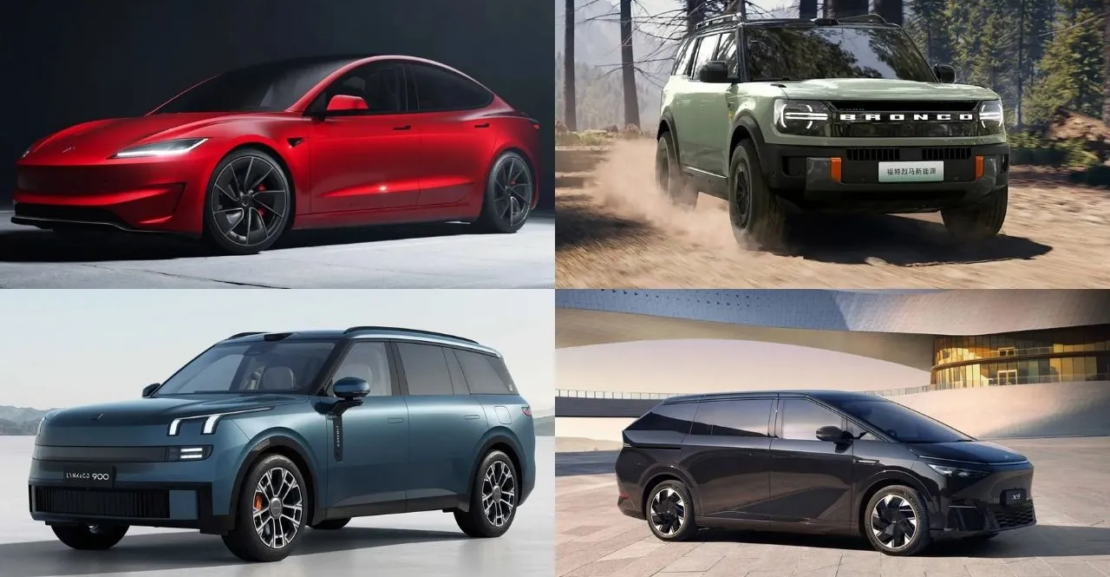
The conversation around electric vehicles in the UAE has changed dramatically in 2026. For years, petrol prices in the Emirates were low enough that most drivers never seriously considered switching away from traditional fuel powered cars. But with fuel prices climbing again and monthly commuting costs becoming noticeably heavier on household budgets, many residents are now asking the same question: should I buy an EV or a hybrid?
The answer depends on your lifestyle, driving habits, budget, and where you live. What is clear, however, is that rising petrol prices are accelerating the shift toward more fuel efficient alternatives across the UAE.
Petrol prices in the UAE have seen significant increases throughout 2026 due to global oil market pressures and geopolitical instability. Reports show that Super 98 prices have crossed AED 3.39 per litre in some months, pushing daily commuting costs much higher for drivers who regularly travel between emirates.
For someone driving from Sharjah or Ajman to Dubai every day, fuel has become a major monthly expense. This is one of the biggest reasons why EVs and hybrids are now being seriously considered by UAE residents who previously preferred petrol SUVs and sedans.
Electric vehicles currently offer the lowest running costs. Charging an EV at home can reduce energy costs by up to 80 percent compared to petrol according to several UAE based cost studies published in 2026.
An EV owner driving around 30,000 kilometres per year could potentially save thousands of dirhams annually compared to a petrol vehicle. Maintenance costs are also lower because electric vehicles have fewer moving parts, no oil changes, and less wear on braking systems.
The UAE has also made significant progress in expanding EV charging infrastructure. Charging stations are becoming more common in malls, residential communities, highways, office buildings, and fuel stations across Dubai, Abu Dhabi, and the Northern Emirates. Government initiatives and private investment continue to accelerate charging network growth.
However, EVs are not perfect for everyone.
One of the biggest concerns remains charging convenience. If you live in a villa and can install a home charger, owning an EV becomes much easier and more cost effective. But apartment residents may still face challenges depending on their building infrastructure.
Long distance travel can also require more planning compared to petrol or hybrid cars. While the charging network is improving rapidly, some drivers still experience range anxiety during inter emirate trips or desert travel.
Another factor is the higher upfront cost. EVs generally remain more expensive to purchase than equivalent petrol or hybrid models, although this gap is gradually shrinking as more brands enter the UAE market. Chinese EV manufacturers in particular are helping bring more affordable electric cars into the region.
This is where hybrids become extremely attractive.
Hybrid vehicles offer a middle ground between petrol and full electric. They combine a petrol engine with an electric motor, improving fuel efficiency without requiring external charging infrastructure. For many UAE drivers, hybrids provide the best balance between convenience and savings.
A hybrid is especially practical for people who drive long distances daily but are not ready to depend fully on charging stations. Fuel savings are significant compared to traditional petrol cars, especially in city traffic where hybrids benefit from regenerative braking and electric assistance.
Hybrids also tend to have lower purchase prices than EVs while avoiding some of the concerns related to charging, battery range, and resale uncertainty. This makes them an ideal transition vehicle for many families in the UAE.
In fact, market reports show hybrid demand in the UAE is currently growing faster than almost any other vehicle category.
So which option makes more sense in 2026?
If you mainly drive within the city, have access to home charging, and want the lowest possible running costs, an EV is likely the smarter long term investment. The UAE’s charging infrastructure is improving rapidly, and electricity remains significantly cheaper than petrol.
If you frequently travel long distances, live in an apartment without charging access, or want lower fuel costs without changing your routine too much, a hybrid may be the more practical option right now.
Petrol cars still make sense for some drivers, especially those looking for lower upfront prices or heavy duty performance vehicles. But with fuel prices continuing to rise and EV technology advancing quickly, the financial advantage of traditional petrol cars is becoming weaker every year.
The UAE automotive market is clearly entering a new era. Rising petrol prices are not just increasing fuel bills. They are changing how residents think about transportation, ownership costs, and the future of driving itself.