
Cars are no longer just machines that take you from one place to another. Modern vehicles are rapidly transforming into highly connected digital systems capable of collecting, processing, and transmitting enormous amounts of information. What once sounded like science fiction is quickly becoming reality, and many drivers may not even realize how much their vehicles already know about them.
From driving habits and location history to voice commands and biometric data, the future of automotive technology is moving toward a world where your car could become one of the most powerful data collection devices you own.
The Rise of Smart Vehicles
Today’s vehicles are packed with advanced technology. Features like GPS navigation, driver assistance systems, built in cameras, microphones, internet connectivity, and mobile app integration are now common in many cars. While these innovations improve convenience, comfort, and safety, they also create a constant stream of data.
Modern cars can already monitor:
Your speed and acceleration patterns
How hard you brake
Where you travel
How often you drive
Seatbelt usage
Phone connections
Voice interactions
Driver attention levels
Fuel consumption and maintenance habits
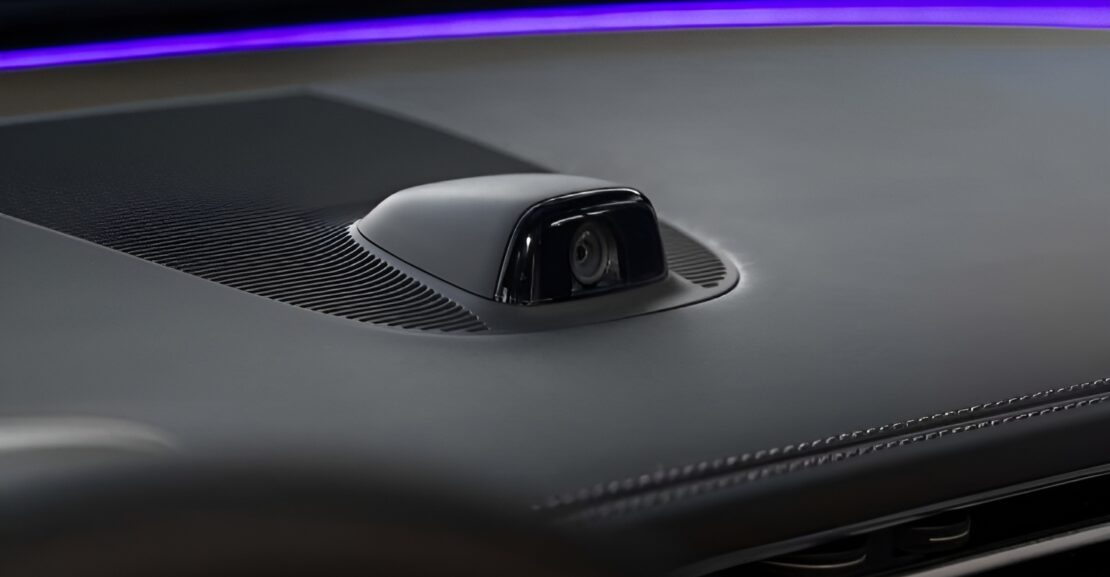
Some premium vehicles even include interior cameras designed to detect driver fatigue, distraction, or facial expressions. In the near future, these systems may become even more advanced through artificial intelligence and machine learning.
Why Automakers Are Collecting Data
Car manufacturers argue that data collection helps improve safety, vehicle performance, and user experience. For example, monitoring driving behavior can help prevent accidents by detecting dangerous habits or alerting distracted drivers.
Connected vehicles also allow manufacturers to provide predictive maintenance, software updates, emergency assistance, theft tracking, and personalized services. Insurance companies may offer discounts for safe driving behavior tracked directly through the vehicle.
At the same time, data has become one of the world’s most valuable assets. The automotive industry is increasingly recognizing that driver information represents a major business opportunity.
Your Driving Habits Could Become a Product
Many experts believe that vehicle data may soon become as commercially valuable as social media data. Information about where you go, how often you travel, your daily routines, and your purchasing habits can help companies build detailed consumer profiles.
For example, a connected vehicle could potentially identify:
Your workplace
Your shopping preferences
Your favorite restaurants
Your travel patterns
How aggressively you drive
How long you stay in certain locations
Future advertising systems may even personalize promotions based on your driving routes or destinations. Imagine receiving targeted offers on your dashboard screen while driving near certain stores or malls.
While some drivers may appreciate personalized experiences, others are concerned about privacy and surveillance.
Interior Cameras and Biometric Tracking
One of the biggest developments in automotive technology is in cabin monitoring systems. New vehicles are beginning to include cameras and sensors that watch the driver and passengers in real time.
These systems may monitor:
Eye movement
Head position
Facial expressions
Heart rate
Voice tone
Stress levels
Driver alertness
Automakers claim these features can reduce accidents by detecting fatigue or distraction before something dangerous happens. However, critics worry that constant monitoring inside private vehicles could become invasive.
As artificial intelligence improves, future systems may analyze emotions, behavior patterns, and even conversations to create more detailed user profiles.
Cars May Soon Communicate With Everything Around Them
The next generation of connected vehicles will likely communicate continuously with roads, traffic systems, other vehicles, and smart cities. This concept, often called Vehicle to Everything technology, aims to improve traffic flow and safety.
In this environment, your car may automatically share information about:
Traffic conditions
Road hazards
Driving speed
Vehicle location
Environmental conditions
Nearby pedestrians
While this technology could reduce accidents and congestion, it also raises concerns about how much movement data may be stored or shared by governments, companies, or third parties.
Insurance Companies Are Paying Attention
Usage based insurance programs are already becoming more common worldwide. These systems monitor driving behavior through apps, plug in devices, or connected vehicle data.
Safe drivers may benefit from lower insurance premiums, but there is growing concern about how insurers might use this information in the future. Drivers who frequently speed, brake hard, or drive late at night could potentially face higher costs.
Some fear that constant monitoring may eventually remove privacy from driving altogether.
Convenience vs Privacy
Many consumers willingly trade privacy for convenience. Features like remote vehicle access, smartphone controls, automatic emergency assistance, and personalized entertainment systems make driving easier and more enjoyable.
However, privacy experts warn that most users do not fully understand how much information their vehicles collect or where that data goes.
As vehicles become more connected, cybersecurity also becomes a serious concern. Hackers targeting connected systems could potentially gain access to personal information or even interfere with vehicle functions.
Governments and Regulations Are Still Catching Up
Technology is advancing faster than regulations in many parts of the world. Laws surrounding vehicle data privacy differ significantly between countries, and many consumers remain unaware of their rights.
Some governments are beginning to introduce stricter rules regarding data transparency, consent, and cybersecurity for connected vehicles. Still, experts believe much more regulation will be needed as automotive surveillance technology evolves.
The debate surrounding smart vehicles is likely to intensify over the coming years as cars become more autonomous and digitally connected.
The Future of Driving
The automotive industry is entering a new era where vehicles are becoming intelligent, connected ecosystems rather than simple transportation tools. Future cars may anticipate your needs, personalize your driving experience, and communicate constantly with the world around them.
At the same time, this transformation raises important questions about privacy, ownership of personal data, and digital surveillance.
For drivers, the challenge will be finding the right balance between embracing innovation and protecting personal freedom. Your next car may not only know where you are going, but also how you think, behave, and live.