
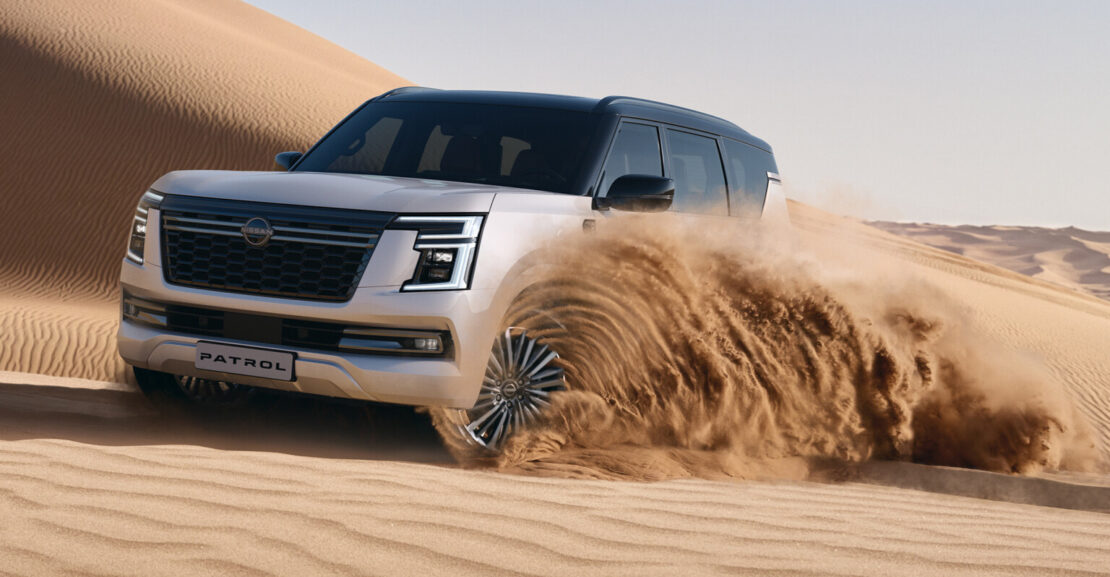
Nissan’s performance around the world varies dramatically from one region to another. In the UAE and the wider GCC, the brand is enjoying strong momentum fueled by rising demand for its large SUVs and region-focused models. At the same time, Nissan has faced slower sales and financial pressure in other major markets such as the United States, China, and parts of Europe. Here is a clear explanation of why Nissan succeeds in some regions and stumbles in others.
Why Nissan Is Winning in the UAE and GCC
Product market fit with the region
The Nissan Patrol, one of the most iconic vehicles in the Gulf, matches the lifestyle and environment of the region. It is powerful, luxurious, reliable in desert conditions, and carries strong cultural value. This makes it a natural top seller.
Strong partnerships and distribution networks
Nissan’s distributors in the region invest heavily in localized marketing, reliable aftersales service, attractive financing options, and strong fleet support. This creates a smooth ownership experience and helps secure brand loyalty.
A market that prefers SUVs and large vehicles
The GCC market favors big SUVs, off road capable models, and comfortable family vehicles. Nissan’s lineup in the Middle East is weighted toward these categories, putting the brand exactly where demand is strongest.
Effective timing of model refreshes
Recent refreshes of key models combined with aggressive regional marketing campaigns have kept Nissan visible and competitive. This helps the brand maintain momentum in a market where newness and performance are valued.
Why Nissan Faces Difficulties in Other Parts of the World
Rapid global shift toward hybrids and electric vehicles
Major markets like the United States and China moved faster toward electrification than Nissan anticipated. While competitors offered advanced hybrid systems and affordable EV options, Nissan’s lineup updated at a slower pace, causing a loss of market share.
Competitive pressure
In markets with intense competition, Nissan faces strong challenges from Japanese, American, European, and especially Chinese carmakers. When rivals offer better value, more technology, or more efficient powertrains, Nissan’s sales soften.
Internal strategic challenges
Global restructuring, reduced profit forecasts, and inconsistent product planning have affected Nissan’s ability to invest aggressively in innovation. This creates additional pressure in markets that require fast change and investment.
Reputation and recall impact
In some regions, management issues and recall headlines have slightly affected customer trust. When combined with heavy competition, this pushes some buyers toward alternative brands.
Supply chain disruptions
Nissan has faced inventory challenges in certain markets. When stock becomes limited and competitors maintain supply, the brand loses ground.
What Nissan Can Learn from the GCC
Nissan’s success in the Middle East highlights the power of tailoring products to local preferences. The company can apply the same approach in other regions by offering more hybrid and EV options, improving cost control, and refreshing models more frequently. The GCC example also shows the importance of strong dealership networks and consistent marketing aligned with local culture and lifestyle.
Needs
Nissan performs exceptionally well in the UAE and GCC because its flagship models fit the region’s needs, its partnerships are strong, and its lineup matches market demand. In contrast, the brand struggles in other parts of the world where electrification, fierce competition, and strategic missteps create challenges. Nissan’s contrasting fortunes show how important it is for global automakers to adapt quickly and understand the unique needs of each market.