
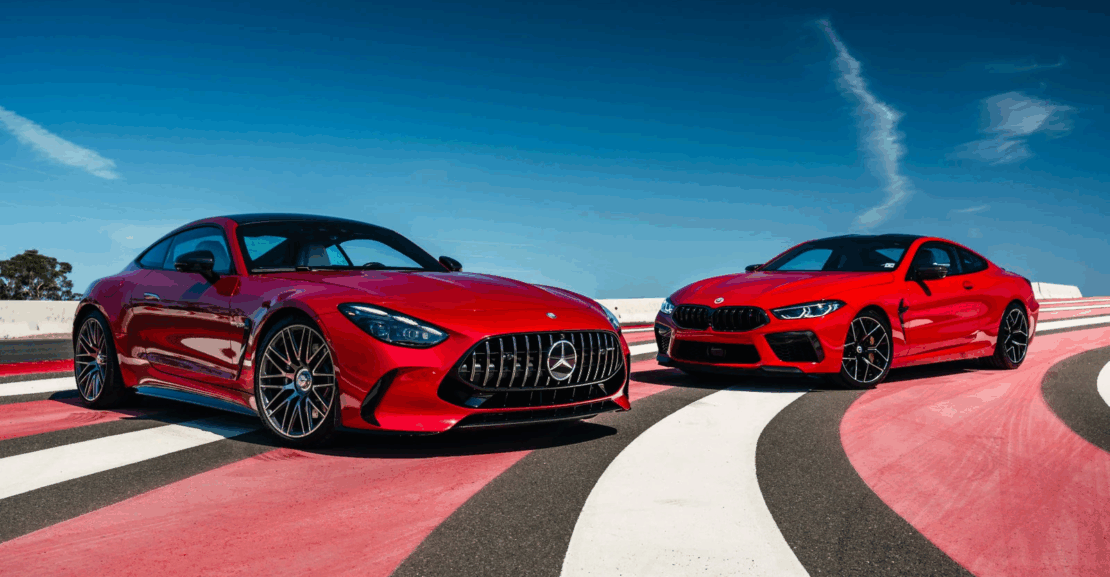
Two titans of German engineering – Mercedes-Benz and BMW – may soon transcend rivalry for pragmatism. Reports now suggest that Mercedes is in advanced negotiations to use BMW’s turbocharged four-cylinder B48 engine in a variety of its upcoming models.
Why the Shift?
- Regulatory pressure & technological gaps
As stricter Euro 7 emissions standards loom, Mercedes faces significant engineering challenges. Its in-house 1.5-liter M252 four-cylinder engine, used in the latest CLA, is suitable only for mild-hybrid setups; not plug-in hybrids (PHEV) or range-extender EVs. BMW’s 2.0-liter B48 engine, by contrast, is already Euro 7–compliant and versatile enough for both longitudinal and transverse layouts, making it a plug-and-play solution for multiple vehicle configurations. - Time and cost efficiency
Instead of investing heavily in R&D to redesign their own four-cylinder powertrains, Mercedes could buy ready functionality, saving both time and resources. - Flexible application across segments
Models under consideration include compact and midsize segments like the CLA, GLA, GLB, C-Class, GLC, and even the upcoming “Little G” SUV.
Details of the Reported Plans
- Timeline
Talks are reportedly advanced, with a formal announcement possible before the end of 2025. - Manufacturing logistics
Production could take place at BMW’s Steyr plant in Austria, or potentially at a newly established, jointly operated facility in the U.S. – a strategic move to sidestep import tariffs. - Strategic significance
This would mark the first-ever engine-sharing agreement between these historic rivals—shifting from fierce competition toward pragmatic collaboration.
Industry Implications & Reactions
- A testament to an evolving landscape
The move underscores the pressures facing legacy automakers: slowing EV adoption, high electrification costs, and increasingly stringent emissions rules. For context, Mercedes had invested €14 billion ($15 billion) in combustion engine tech in 2024, highlighting the importance of keeping ICE powertrains viable in the medium term. - Mixed reviews from critics
Some analysts question potential brand dilution and the long-term strategic costs. They argue that relying on a rival for engineering components could erode internal expertise and confuse luxury brand identity. As one candid breakdown in an article noted: “Some enthusiasts would see this not as synergy, but as capitulation; mixing rivals’ powertrains may compromise brand clarity and leadership.” - Broader trend of “co-opetition”
Interestingly, such collaborations are growing more common, Volkswagen and Ford share EV platforms, Toyota and Subaru jointly developed sports cars. It’s a sign that even in the luxury sector, survival increasingly depends on smart partnerships.
What’s at Stake?
| Stakeholder | What It Gains | Potential Risk |
|---|---|---|
| Mercedes-Benz | Quick compliance with Euro 7; PHEV expansion; cost savings | Brand identity dilution; long-term ICE expertise erosion |
| BMW | New revenue source; better utilization of Steyr capacity | Minimal—successful output boost without compromising identity |
| Consumers | Access to improved hybrids sooner | Confusion about brand pedigree; potential resale implications |
Rivalry to Tactical Collaboration
This potential alliance between Mercedes-Benz and BMW signals a shift in the automotive world from rivalry to tactical collaboration. As the market adapts to electrification and regulation, even the most prestigious brands are aligning to survive and that may redefine what “premium” means in the coming years.